Introduction to Financial Market Structure and Terminology
Learn how markets actually work. We break down exchanges, market participants, and the terms you'll hear constantly. This foundation matters more than people realize.
Read ModuleA structured 3-module program covering financial markets, technical analysis, and risk management fundamentals. Educational content designed to build your trading knowledge from the ground up.
Whether you're new to trading or looking to strengthen your understanding of market mechanics, we've built this course around clear, step-by-step lessons. You'll learn how markets work, how to read charts properly, and how to manage risk — the foundations that matter most.
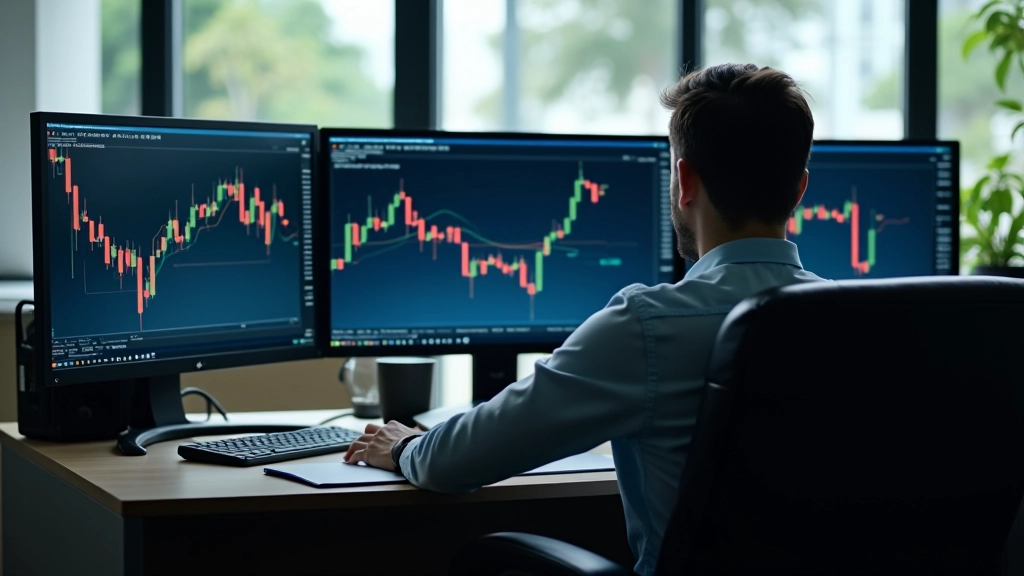
Each module builds on the previous one. Start with the basics and progress through technical skills to advanced risk management.
Learn how markets actually work. We break down exchanges, market participants, and the terms you'll hear constantly. This foundation matters more than people realize.
Read Module
Charts aren't as mysterious as they seem. We cover the patterns that actually matter and how to spot them without overthinking the process.
Read Module
How much should you risk per trade? How do you size positions correctly? These decisions protect your capital and determine your long-term success.
Read Module
The three modules work best when you move through them in order. Each lesson prepares you for the next. This guide explains how to approach the material, when to practice, and what to focus on at each stage.
Read GuideBefore you start trading, make sure you understand these core ideas. They're the difference between making informed decisions and guessing.
Understanding how buy and sell orders work, what affects prices, and why markets move the way they do forms your entire foundation.
Candlesticks, trends, and support levels aren't magic. They're patterns you'll recognize once you've seen them a few times. Practice makes them obvious.
Decide how much you're willing to lose before you enter a trade. This single decision protects your capital and keeps you in the game long-term.
This course teaches you how markets work and how traders analyze them. It doesn't tell you what to buy or sell. Those decisions are always yours alone.
Controlling the size of your trades based on your risk tolerance means one bad trade won't wipe you out. This is how professionals stay in business.
The SGX operates differently than other exchanges. Understanding local market structure, trading hours, and regulations is essential for Singapore-based traders.
This course is educational material only. It's designed to teach you how financial markets work, how to read charts, and how to think about risk management. It doesn't provide financial advice, investment recommendations, or trading signals.
Trading involves real financial risk. You can lose money. The strategies and concepts we discuss here are educational frameworks — not guarantees of profit. Past performance doesn't predict future results. Market conditions change, and what worked yesterday might not work today.
Every trading decision you make is your responsibility. You're responsible for understanding the risks, knowing your financial situation, and deciding whether trading is appropriate for you. If you're uncertain, speak with a qualified financial advisor before risking any money.
This course doesn't replace professional financial advice. It's a starting point for understanding markets — nothing more. The knowledge you gain here is just one part of becoming a responsible trader.